1. Home
  2. Blog
  3. How Long Sewer Camera Leak Detection Really Takes

How Long Sewer Camera Leak Detection Really Takes

Worried about time off work for sewer camera leak detection? Learn how long it takes and what actually happens during a professional plumbing inspection.

How Long Sewer Camera Leak Detection Really Takes image

A Recent Call About Leak Detection Time

We recently got a call from a customer — let’s call her Maria — who was worried about taking time off work for a plumbing leak detection. She works retail and was in the middle of a big inventory push. A few weeks earlier, we had already come out and run a sewer camera through part of her system, but she still had moisture showing up on her floors.

Maria’s question was simple: “If you come back to run the camera again and check the whole house, how long is this going to take?” She needed to plan her breaks and couldn’t be away from work for half a day.

We hear this concern a lot, especially from homeowners juggling tight work schedules. So we walked her through exactly what happens during a sewer camera leak detection, how long each step usually takes, and what she should expect from start to finish.

How Long Sewer Camera Leak Detection Usually Takes

Most standard sewer camera inspections for leak detection take about 45–90 minutes from the time we start setting up to the time we’re packing up.

That said, the total time at your home can vary based on a few things:

  • Size of the home and plumbing system – Larger homes with multiple bathrooms or long sewer runs can take longer.
  • Number of problem areas – If you have moisture in several rooms, we may need to test multiple lines.
  • Access to cleanouts and fixtures – Easy access can save a lot of time; blocked or hidden cleanouts can add some.
  • Condition of the pipes – Heavy buildup, roots, or collapsed sections slow the camera down.

With Maria, our first visit took right about an hour to run the camera and document what we saw. When we come back to expand that investigation to the rest of the house, we’ll still be aiming for that under 2-hour window unless we discover something unusually complicated.

Step 1: Arrival, Setup, and Questions (10–20 Minutes)

When we arrive, we don’t start by shoving a camera into a pipe. First, we talk. With Maria, we asked:

  • Where she was seeing moisture on the floors
  • When it started and whether it changed after our first visit
  • What her schedule constraints were that day

During this same time, we:

  • Locate the main cleanout and any secondary access points
  • Lay out drop cloths and protective gear to keep floors clean
  • Set up the camera system and monitor

This initial phase usually takes 10–20 minutes. If your cleanout is buried, behind landscaping, or inside a tight closet, it might lean toward the longer side.

Step 2: Running the Sewer Camera (30–60 Minutes)

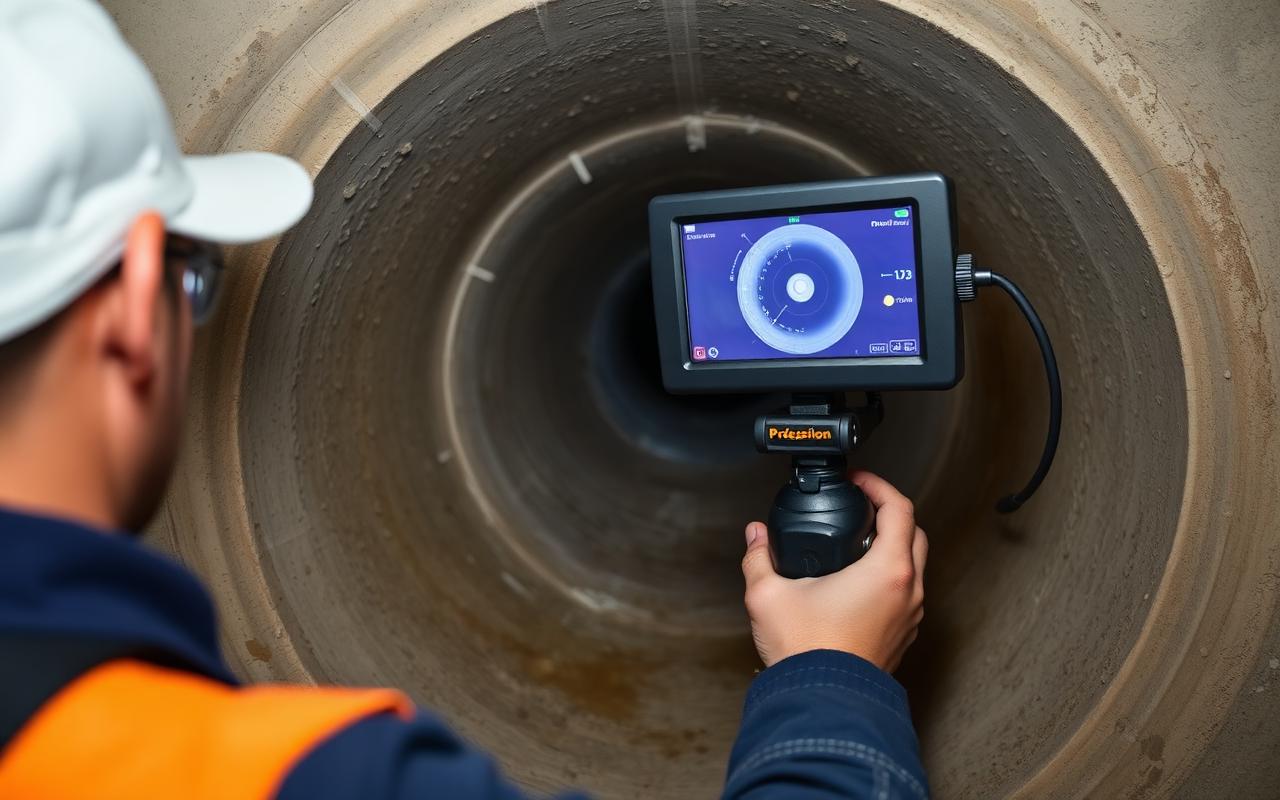
This is the part most homeowners picture when they hear “leak detection.” We feed a high-resolution camera through your drain or sewer line while watching a live video feed.

Here’s what affects the time during this step:

  • Length of the line – Longer runs to the street or septic tank simply take more time to inspect carefully.
  • Obstructions – Grease, scale, or roots can slow progress as we work the camera past tight spots.
  • Branch lines – If we need to check multiple bathroom groups or different wings of the house, we’ll reposition and run the camera more than once.

For a typical home with one or two bathrooms, the main camera run is usually around 30–45 minutes. More complex setups can push it closer to an hour.

In Maria’s case, we’ll likely run the camera from the main cleanout and then, if needed, from a secondary access to reach the sections of pipe that serve the rooms where she’s seeing moisture.

Step 3: Locating and Marking Problem Areas (10–20 Minutes)

Finding a problem on the camera is only half the job. We also need to know exactly where that spot is under your floor or yard.

To do that, we use a locator that tracks a signal from the camera head. This allows us to:

  • Pinpoint the depth and location of a break, belly, or offset
  • Mark the area on the floor, driveway, or yard
  • Measure distance from reference points for future repairs

This phase usually adds another 10–20 minutes, depending on how many spots we need to mark. If we’re dealing with multiple leaks or a long stretch of damaged pipe, we’ll spend more time marking and documenting.

Step 4: Review, Recommendations, and Clean-Up (15–30 Minutes)

We never want you guessing about what we saw. After we’re done running the camera, we sit down with you and review the footage right on the monitor if you’re available.

With Maria, our plan is to:

  • Show her the key sections of video where we see issues
  • Explain whether the moisture is likely from a sewer line problem or possibly another source (slab leak, supply line, etc.)
  • Outline repair options and expected timelines

This discussion typically takes 15–30 minutes, depending on how many questions you have and how complex the findings are. We also tidy up our work area, coil cables, and leave your home as clean as we found it.

Planning Around Work and Busy Schedules

Like Maria, a lot of our customers are on the clock. Here’s how we help you plan:

  • Clear time window up front – When you book, we’ll tell you whether your job looks like a 1-hour or 2-hour visit based on what we already know.
  • Prioritized areas first – If you have limited time, we’ll start with the rooms or lines causing the worst problems.
  • Phone or email follow-up – If you can’t stay for the full explanation, we can send video clips and a written summary.

If you’re arranging the visit around short breaks, let us know ahead of time. We can focus on the inspection while we’re on site and schedule a separate call later to walk through the findings in detail.

When Leak Detection Might Take Longer

While most camera leak detections fit inside that 45–90 minute window, a few situations can stretch the visit:

  • Multiple systems or guest houses
  • Severely blocked or collapsed lines that require clearing just to get the camera through
  • No accessible cleanouts, forcing us to go through interior fixtures
  • Extensive damage where we’re documenting many different problem spots

When we see any of these factors coming, we’ll tell you in advance so you can decide whether to schedule the visit on a day with more flexibility.

What You Can Do Before We Arrive

To help keep your appointment as short and efficient as possible, you can:

  • Clear access to known cleanouts or suspicious wet areas
  • Make a quick list of where and when you see moisture
  • Have any insurance or prior plumbing paperwork handy

Those simple steps helped us a lot on Maria’s first visit, and they’ll help us zero in faster when we come back to finish the investigation.

If you’re noticing moisture on your floors or suspect a sewer leak but you’re worried about missing work, let us know your schedule when you call. We’ll give you a realistic time estimate, explain the process in plain language, and make sure you know exactly what to expect from your sewer camera leak detection.

Victory Plumbing and Gas can help!

Call us